
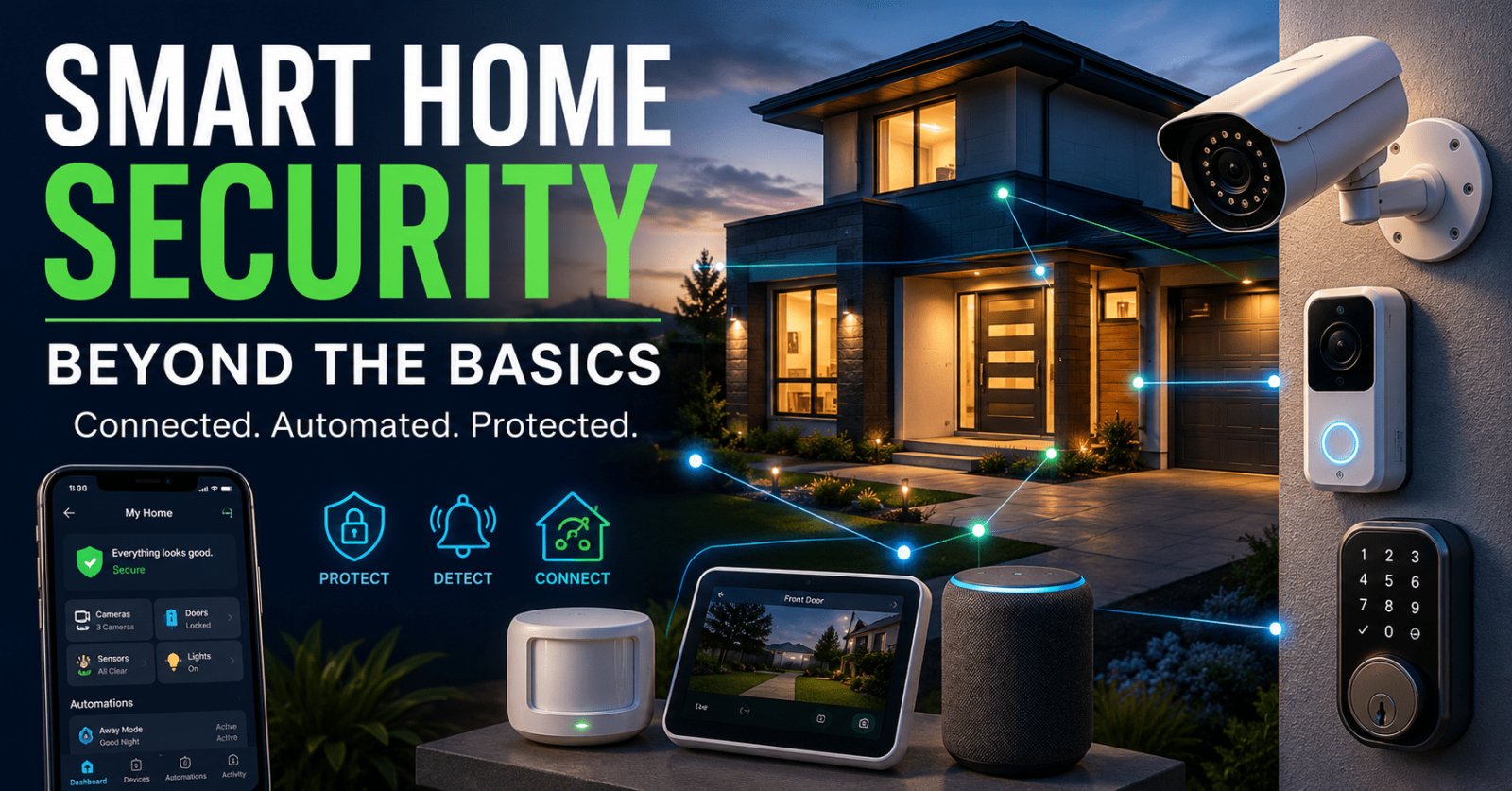

When you think about home security, your mind probably jumps to a door alarm or a video doorbell. Those are good places to start, but a truly smart and secure home goes way beyond the basics. Modern home protection means creating a connected system where different devices work together, giving you layers of safety, convenience, and awareness. It’s less about individual gadgets and more about building an intelligent network that can react to potential problems.
Understanding Connected Systems
A smart security system isn’t just a bunch of separate products. It’s an integrated network where everything talks to each other. You’ll likely have a central hub that acts as the brain, connecting everything from door and window sensors to a high-quality security camera. The real power comes from how these parts interact. For example, a basic setup might just tell you if a door opens. A connected system, however, could have that same door sensor trigger your hallway lights, send a notification to your phone, and start recording video automatically. This shift from simple alerts to coordinated responses is what makes next-generation home security stand out.
Editor’s note: Not sure which security camera fits your home and budget? HomeTechHacker’s free Wi-Fi Surveillance Camera Technology Advisor can help you narrow down your choices based on your specific needs.
The Role of IoT in Home Protection
The Internet of Things (IoT) is what makes all this connectivity possible. This term simply refers to physical devices with sensors and software that connect and share data over the internet. For home protection, this means your security system can include devices you might not usually think of as safety tools. Imagine smart smoke and carbon monoxide detectors that not only sound an alarm but also shut off your HVAC system to stop air circulation and send an alert to your phone. Water leak sensors under sinks or near a water heater can prevent huge damage by telling you about the first sign of moisture. This broad approach is key to smart-home security using IoT, turning your home from a passive structure into an active participant in its own protection.
Security is only one part of the picture. HomeTechHacker covers more ways smart home technology can improve safety and security, including uses that go well beyond traditional alarm systems.
Evaluating Data Privacy in Devices
As you add more connected devices to your home, data privacy becomes a big concern. Every smart device collects data, so it’s up to you to understand how that information is handled. Before buying any new IoT product, take time to read the manufacturer’s privacy policy. Look for clear details on what data is collected, how it’s used, and who it might be shared with. It’s also smart to understand the security features built into the device itself. Does it support two-factor authentication? Is data encrypted both when it’s stored and when it’s sent? Following best practices for IoT device security and privacy isn’t just for tech experts; it’s a basic step for anyone building a smart home. Network security matters too. HomeTechHacker’s guide to protecting your network from IoT device hacking explains practical ways to limit the access connected devices have to the rest of your home network.
Integrating Devices for Better Security
The real magic of a smart home happens when you create automations, or “routines,” that link different devices together. This integration turns individual alerts into a powerful, automated response system.
Here are a few examples:
- “Away” Mode: When you arm your system, it can automatically lock all smart locks, turn off specific lights, and lower the thermostat to save energy.
- Intrusion Response: If a window sensor is tripped at night, the system can instantly turn on all the lights in the house, sound an audible siren, and send a video clip from the nearest camera to your phone.
- Emergency Exit: If a smart smoke detector goes off, it can automatically unlock all doors to ensure an easy exit and turn on lights to illuminate the path.
You’ll often set up these routines within an app like Google Home, Amazon Alexa, or Apple Home, letting you create custom scenarios that fit your specific lifestyle and security needs.
Future-Proofing Your Security Setup
The world of smart home technology is always changing. To keep your system from becoming outdated, it’s smart to invest in hardware built for the future. Look for devices that support emerging interoperability standards like Matter. This new standard aims to let devices from different manufacturers work together seamlessly, so you’re not stuck with just one brand’s ecosystem. When planning your system, think about what you might need later. You might not need outdoor lighting or a smart sprinkler controller today, but choosing a system that can easily expand to include them later will save you a lot of hassle.
Building a security system isn’t just about preventing break-ins anymore. It’s about creating a responsive and intelligent home that looks out for you in many ways. Focusing on connectivity and thoughtful integration helps you build a setup that provides security and convenience for years to come.
smart-home-security-beyond-the-basics